
Is your dog ready for daycare? A first-week checklist
How to tell if daycare suits your dog, what to sort out before day one, and what a good first week looks like.
By the PackDay team. Checked against the sources listed at the end.
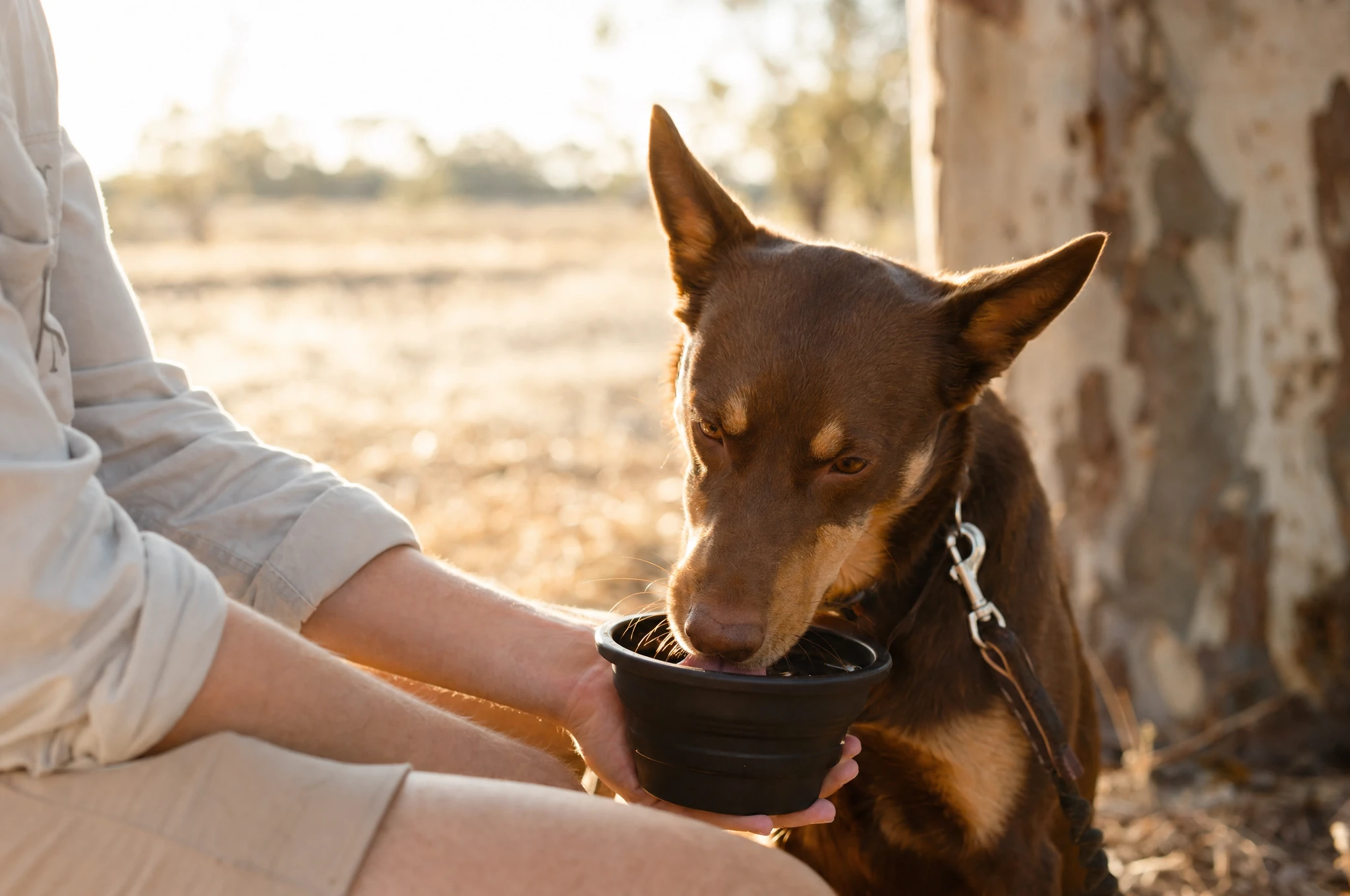
Perth summers are long, dry and hot, and they bring more than heat: snakes on the move, burning footpaths and fireworks. A few simple habits keep dogs safe and comfortable until the cooler weather comes back.
Dogs cool themselves mostly by panting, which works far less well than sweating. On a hot day they can overheat quickly. The RSPCA lists these signs of heatstroke: constant panting, a fast heart rate and breathing, pale or red gums, drooling, vomiting or diarrhoea, weakness, confusion, muscle tremors, seizures and collapse.
Some dogs are at greater risk. The RSPCA names overweight dogs, very young and very old dogs, and flat-faced breeds, whose shorter airways make panting less effective. Our own mascot, Bandit, is a French bulldog, so on hot days he does his best work lying on a cool floor.
If you think your dog is overheating, the RSPCA advice is to cool them with room-temperature or cool water on their fur and skin, use a fan or air-conditioning, and get to a vet straight away. Murdoch University’s vets also warn against leaving wet towels draped over a dog, because they can trap heat rather than release it.
Save walks and active play for the coolest parts of the day: early morning and evening. Murdoch University’s vets suggest exercising only when it’s below about 32 degrees.
Footpaths, roads and sand can get hot enough to burn paw pads. The RSPCA’s simple test is to hold the back of your hand on the surface for five seconds. If it’s too hot for your hand, it’s too hot for your dog’s feet. Even grass in full sun can be warmer than you’d expect.
Not for a quick shop, not with the windows down, not on a cloudy day. The RSPCA is clear that a dog can overheat and die in a parked car in a short time, even when it doesn’t feel very hot outside.
Dogs can get sunburnt too, especially on pink noses, ears and bellies. The RSPCA recommends a sunscreen made for animals, and never a human sunscreen, as some contain ingredients that are harmful to pets. Your vet can suggest one.
Snakes are more active in hot weather. Murdoch University’s vets name dugites and western brown snakes as the species Perth pets most often meet, along with tiger snakes. A curious dog nosing through long grass or bush is at real risk.
If you think your dog has been bitten:
Bites can be hard to spot under fur, and some dogs show no signs at first. If you saw your dog near a snake, see a vet anyway.
Summer means fireworks, and loud bangs frighten many dogs. The RSPCA suggests keeping your dog inside with the curtains closed, giving them a cosy spot they can retreat to, and taking them for a good walk earlier in the day followed by a meal. Never tie a frightened dog up, as they can hurt themselves trying to get away. Most importantly, make sure their microchip details and ID tag are up to date, so they can find their way home if they do escape. If your dog struggles every year, ask your vet about options.
Ehrlichiosis, a serious disease spread by the brown dog tick, has been found in dogs in the Kimberley, Pilbara, Gascoyne and northern Goldfields. If your dog is travelling with you, the WA Department of Primary Industries and Regional Development recommends an effective tick preventative from your vet and a daily check for ticks, especially around the head, ears and between the toes.
In PackDay: owners will see the moment their dog is checked in, and report cards show what they got up to and how lunch went, so on a hot day they can see it was a cool, quiet one.
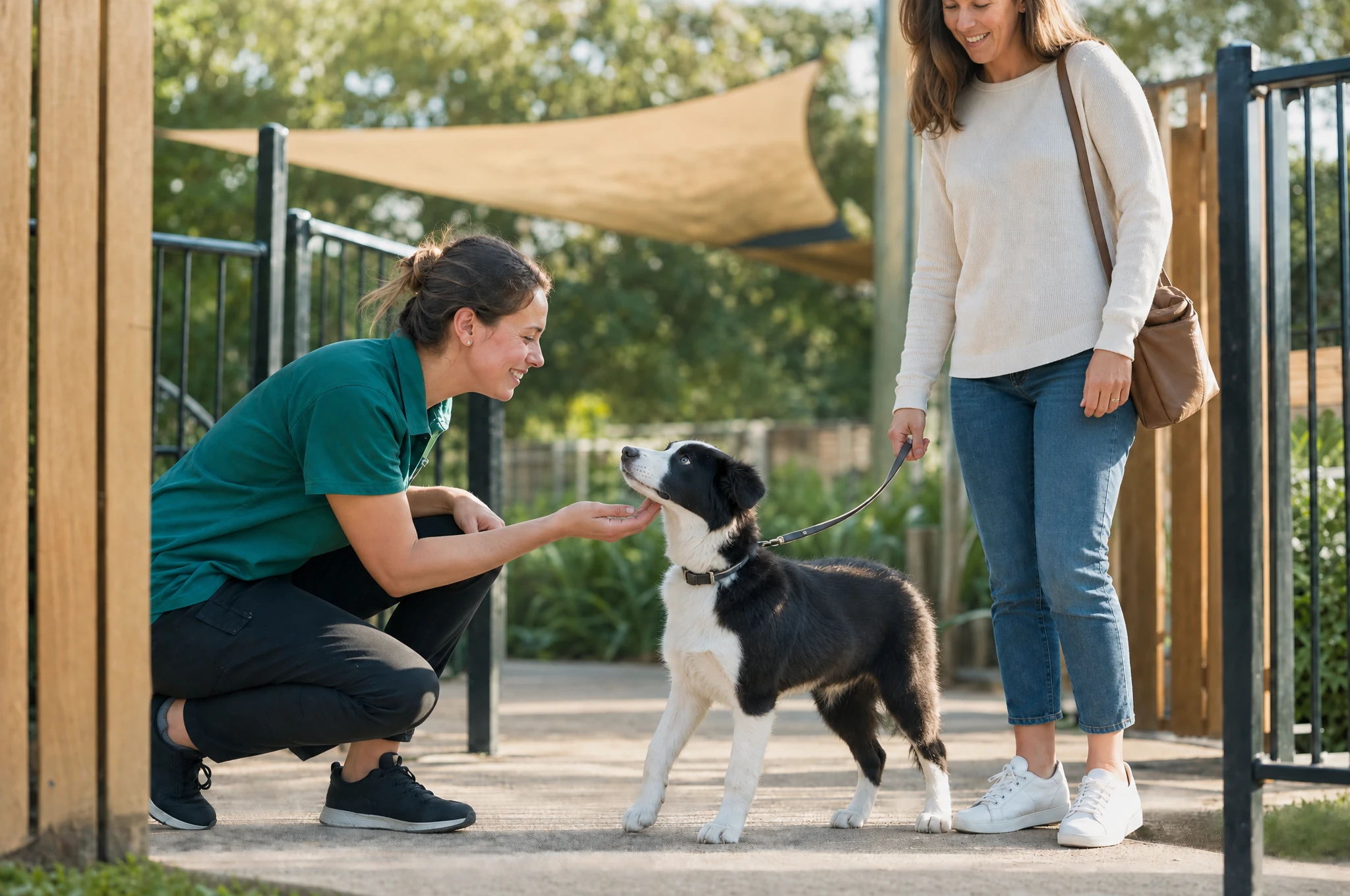
How to tell if daycare suits your dog, what to sort out before day one, and what a good first week looks like.

A two-week handling plan, nail trim basics, dryer practice and what to tell your groomer, so the first visit goes well.
A 30-day free trial when PackDay opens, no card. No booking fees, ever.